Is Zimbabwe safe to visit? Learn about crime, safety tips, travel insurance, national parks, and expert advice from Pioneer Classflex.
Is Zimbabwe Safe to Visit? What Travelers Need to Know Before Planning a Trip with Pioneer Classflex
Zimbabwe is known for Victoria Falls, breathtaking national parks, and unforgettable safari experiences. Yet before booking their journey, many travelers ask a direct question: is zimbabwe safe to visit? Safety concerns are normal when traveling to any international destination.
At Pioneer Classflex, we work closely with trusted tour operators, local authorities, and hospitality partners across Zimbabwe to ensure you have a safe and memorable trip. Book today.
Is Zimbabwe Safe for Tourists in 2026?
Many people search online: is zimbabwe safe or is it safe to travel to zimbabwe. The honest answer is that most tourists visit Zimbabwe without serious problems. However, like any country, you must understand the risks and follow basic safety rules.
Crime and Petty Theft in Cities
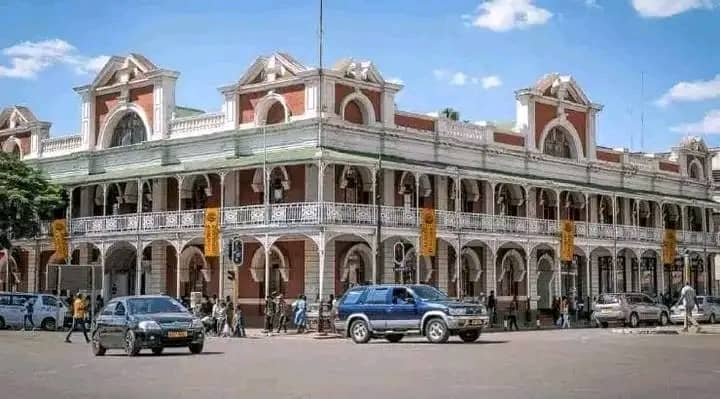
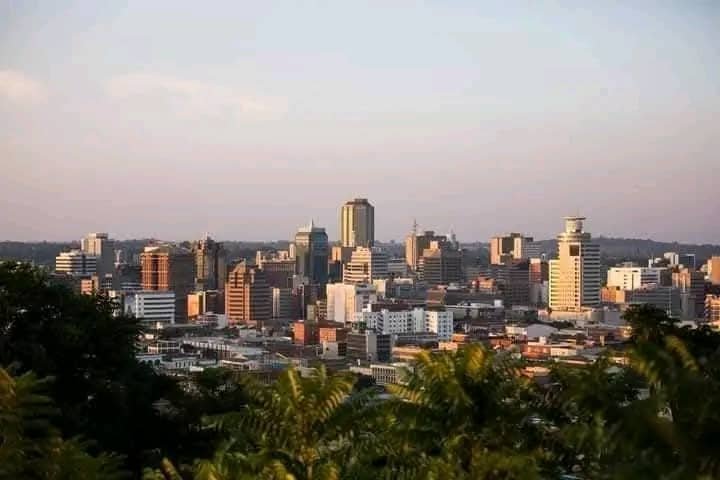
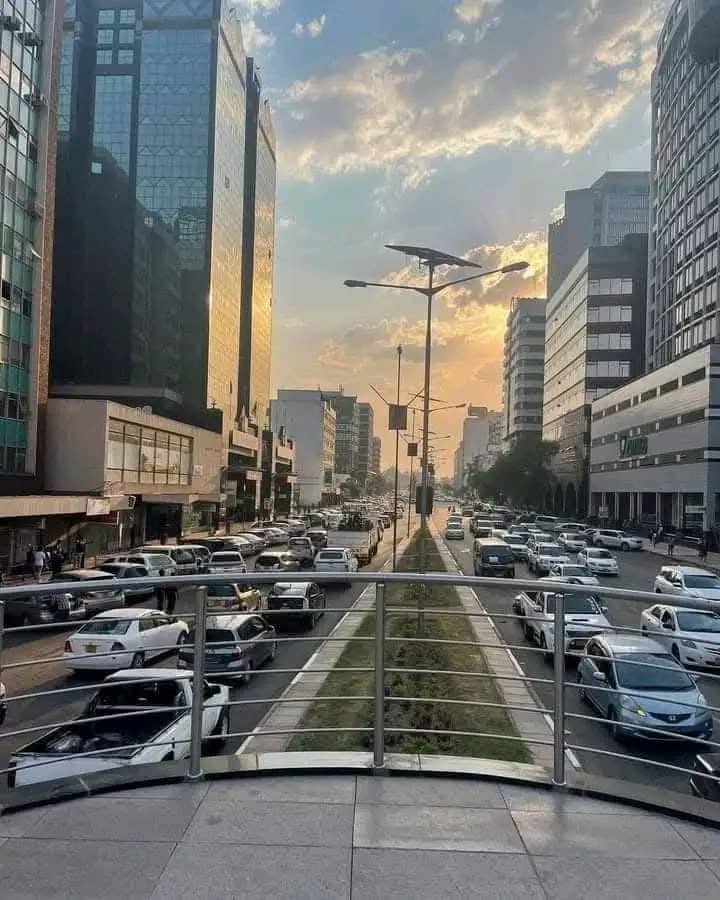
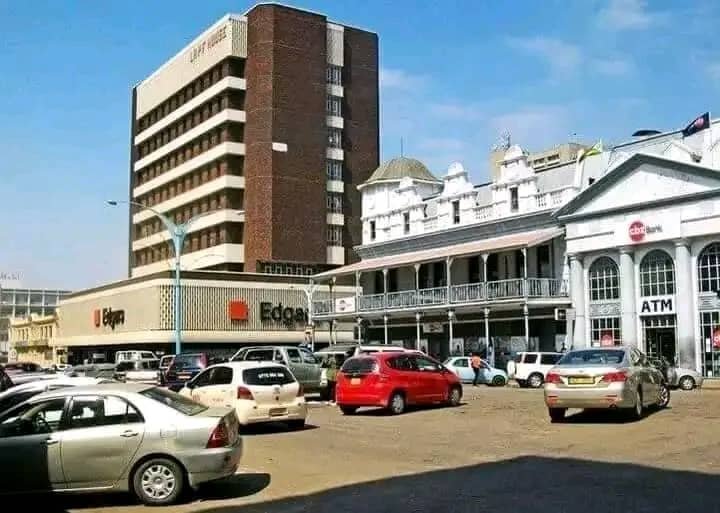
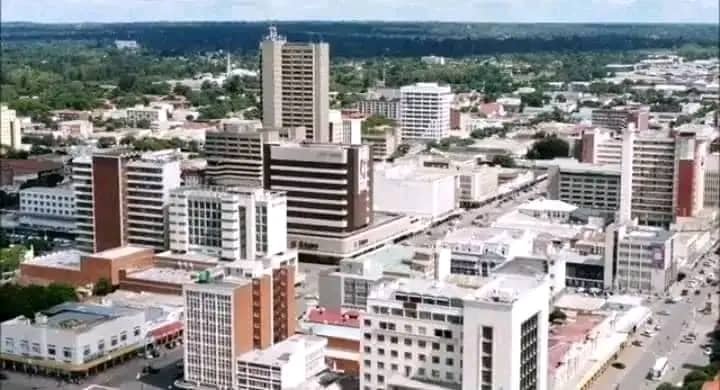
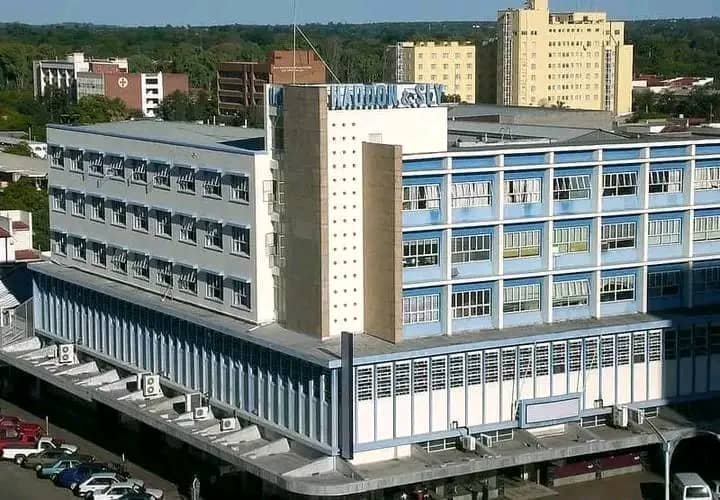
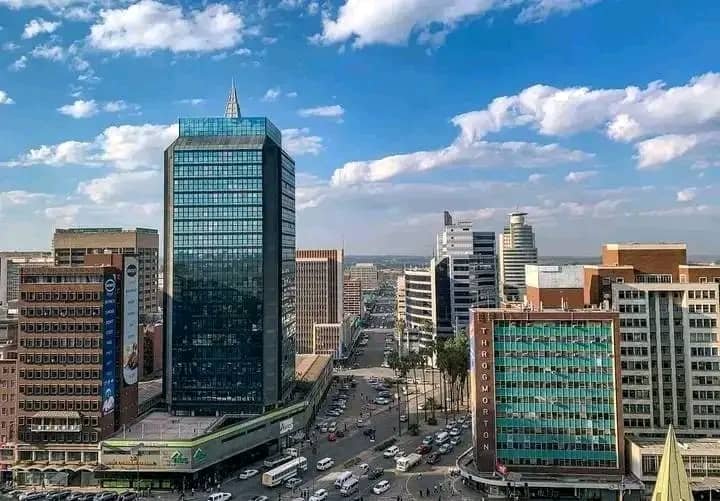
Petty crime exists in larger cities like Harare and Bulawayo. This usually includes pickpocketing, bag snatching, or phone theft in busy areas. Violent crime against tourists is rare but can happen.
To reduce risk, always keep your doors locked when driving. Avoid showing large amounts of cash, especially after leaving banks. Do not walk alone at night in quiet streets. Keep your valuables hidden and stay alert in crowded markets or bus stations. With simple precautions, most visitors experience no issues.
Political Sensitivity and Public Gatherings
Zimbabwe has a politically sensitive environment. Protests and demonstrations can happen, especially in city centers. Security forces may respond strongly to public gatherings.
Tourists should avoid rallies or political meetings. Never make derogatory or insulting comments about political leaders. Avoid comments about the president, the state house, or the official residence of government officials. Even social media posts can create problems. Staying neutral and respectful is the safest approach.
Dealing with Police and Security Forces
Police checkpoints are common on highways. This is normal in Zimbabwe. If you are stopped, stay calm and polite.
Always carry your travel documents and keep a copy of your passport separate from the original. If there is a serious issue such as theft, request a police report. This is important for travel insurance claims. Cooperating with local authorities ensures a smooth experience.
Understanding Local Laws and Restrictions
Zimbabwe has strict laws. Illegal drugs including cannabis and other banned substances are prohibited. Penalties are serious and can include imprisonment.
You should also avoid photographing government buildings or security forces. Respect local laws at all times. Following the rules keeps your trip safe and stress-free.
Safety in Tourist Areas and National Parks
Tourism is very important for Zimbabwe’s economy. Because of this, major tourist areas are generally well protected and managed.
Victoria Falls and Surrounding Areas
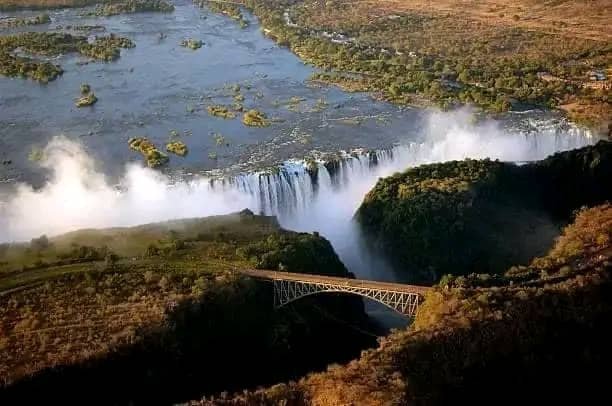
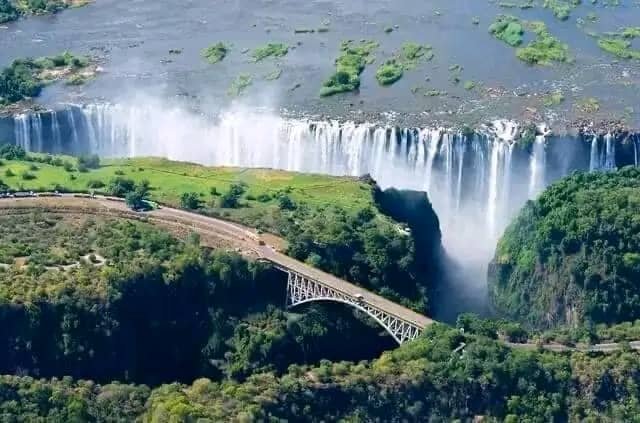
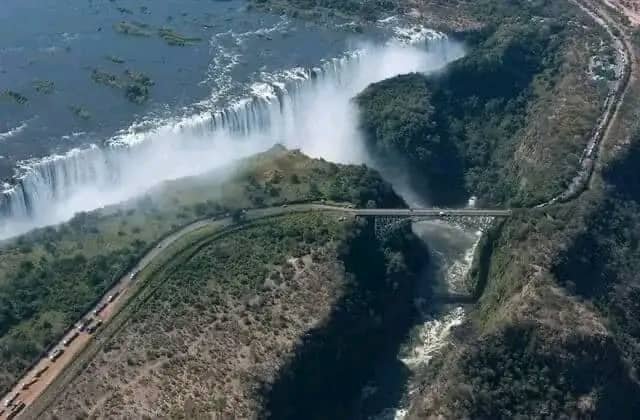
Victoria Falls is one of the safest and most developed tourist areas in the country. Hotels, lodges, and tour operators maintain high safety standards.
Tourist police patrol popular areas. Visitors usually feel safe walking during the day. At night, it is better to use taxis arranged by your hotel and keep your doors locked. Most travelers who visit Victoria Falls report a positive and safe experience.
Safari Safety in National Parks
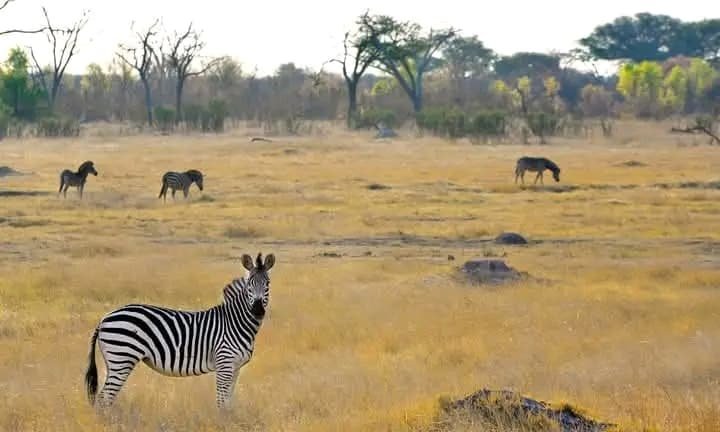
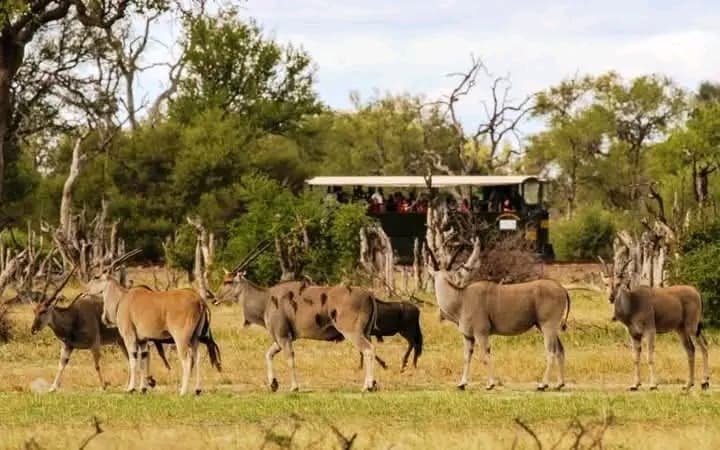
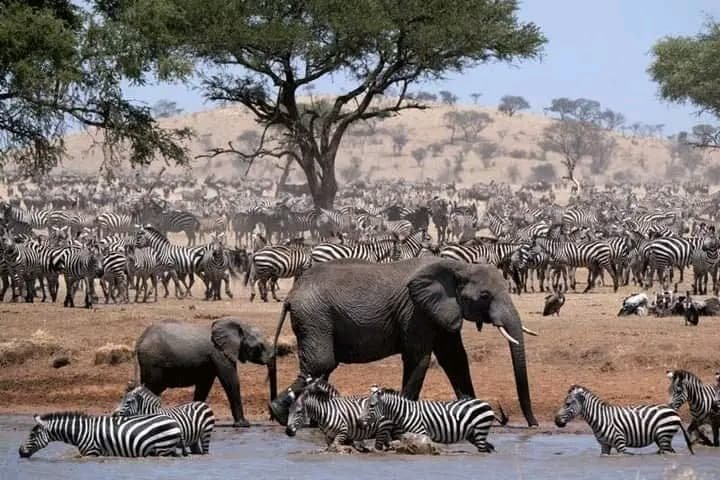
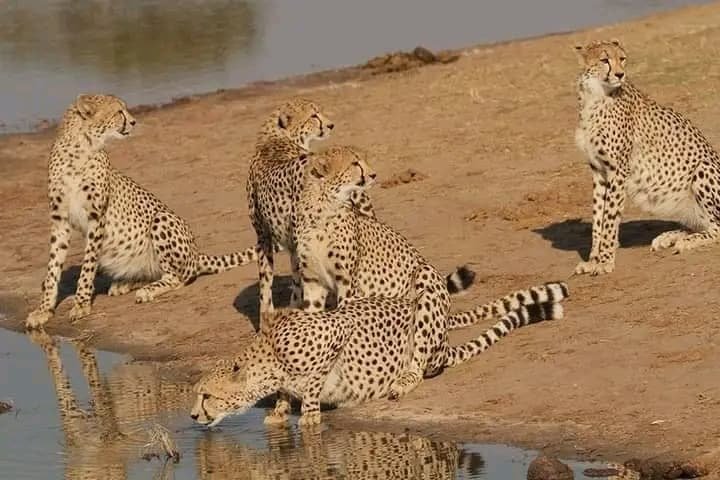
Zimbabwe’s national parks, such as Hwange and Mana Pools, are famous worldwide. Wildlife safaris are generally very safe when conducted by licensed tour operators.
Professional guides understand animal behavior and park rules. Visitors must follow instructions carefully and never leave vehicles without permission. Wildlife can be dangerous if not respected. When you travel with Pioneer Classflex, we work only with experienced guides to ensure your safety inside national parks.
Travel in Rural and Remote Areas
Some rural roads are poorly maintained. You may find potholes, damaged bridges, or broken traffic lights. Driving at night in remote areas is not recommended.
If your vehicle breaks down, avoid standing for long periods on the side of the road in isolated places. Plan your fuel stops carefully and carry water during long drives. Traveling with organized tour operators reduces these risks.
Traveling During Rainy Season
The rainy season usually runs from November to March. Heavy rains can damage roads and cause flooding in certain areas.
Travel times may increase, and some remote safari camps may close temporarily. Always check weather updates through local media and follow advice from local authorities. With proper planning, travel during rainy season is still possible and enjoyable.
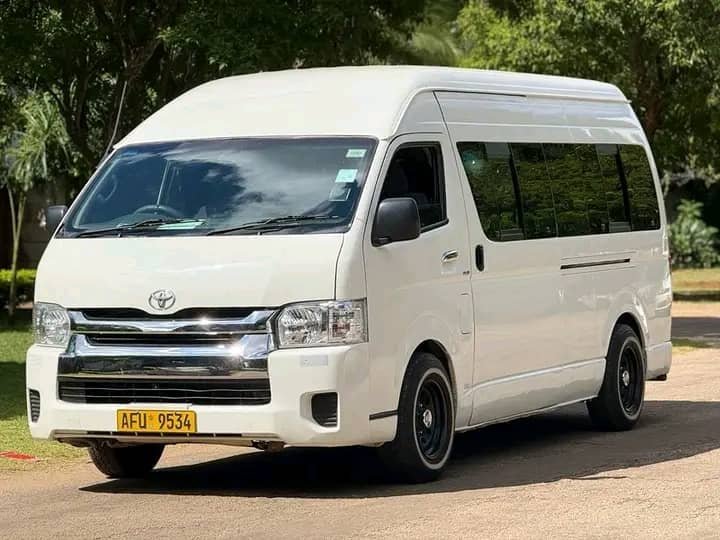
Traveling can be stressful, but your airport transfer doesn’t have to be. We provide a comfortable and hassle-free ride from the airport to your destination...
Traveling within Zimbabwe should be easy, safe, and stress-free. Our reliable pick-and-drop service ensures you get to your destination comfortably. Whether you're heading to a...
This transfer from Victoria Falls to Mana Pools is more than just a ride; it is a journey through Zimbabwe’s stunning landscapes, offering glimpses of...
Travel from Victoria Falls to Kariba in comfort with our private transfer service. This journey takes you through the heart of Zimbabwe, passing beautiful landscapes,...
Travel comfortably from Victoria Falls to Bulawayo with a reliable and safe transfer service. This journey takes you through scenic landscapes, showing you a glimpse...
Traveling from Victoria Falls to Harare has never been easier with our comfortable and convenient transfer service. This journey takes you through some of Zimbabwe’s...
Victoria Falls is one of the most breathtaking destinations in the world. This short yet exciting adventure offers an amazing way to explore the town,...
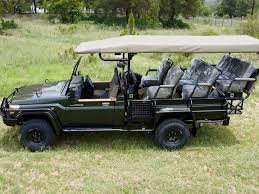
Embark on an unforgettable wildlife safari where adventure meets convenience. With a fully equipped 4x4 safari vehicle and an expert guide, this tour offers the...
For those who love adventure and independence, this self-drive wildlife safari allows you to explore Zimbabwe’s incredible landscapes and wildlife at your own pace. Using...
Nestled in the Eastern Highlands of Zimbabwe, Nyanga National Park is a place of breathtaking beauty, rolling green hills, majestic waterfalls, and a cool climate...
Bulawayo, Zimbabwe’s second-largest city, is a place of rich history, cultural heritage, and stunning wildlife. Known as the “City of Kings,” it offers a unique...
The Great Zimbabwe Ruins are a breathtaking reminder of Africa’s rich and powerful past. This ancient city, built between the 11th and 15th centuries, was...
Harare, the vibrant capital of Zimbabwe, is a city rich in culture, history, and natural beauty. This unique tour combines an urban exploration of Harare’s...
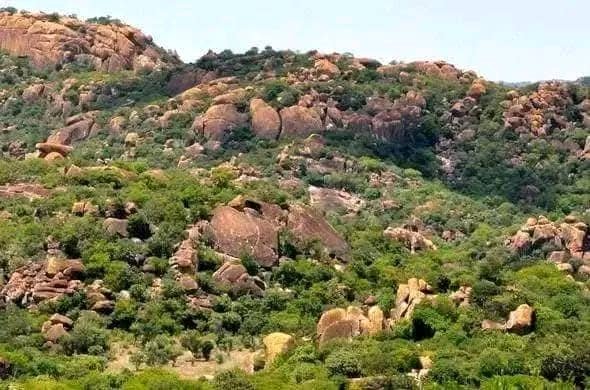
Matobo National Park is a land of stunning rock formations, deep cultural significance, and rich biodiversity. Known for its dramatic balancing rock formations, it is...
Hwange National Park is Zimbabwe’s largest wildlife reserve and home to an astonishing variety of animals, including the Big Five – lions, leopards, elephants, buffalos,...
Zimbabwe is a land of rich traditions, vibrant culture, and stunning landscapes. This immersive cultural experience is perfect for travelers who want to go beyond...
Main highways between major cities are usually in fair condition. However, secondary roads may be poorly maintained.
Drivers should watch for potholes, animals crossing, and non-working traffic lights. Drive slowly and carefully, especially at night. Defensive driving is essential.
Police Checkpoints and Documentation
Police checkpoints are part of normal road travel. Officers may ask to see identification or vehicle documents.
Keep your travel documents ready. Having a copy of your passport can make the process easier. Stay respectful and patient during checks.
Public Transport vs Private Transfers
Public minibuses are widely used but may not meet international safety standards. They can be overcrowded and fast-driven.
Private transfers arranged through Pioneer Classflex are safer and more comfortable. Professional drivers understand local road conditions and safety requirements.
Border Crossings and Immigration Safety
Border crossings can be busy and slow. Keep your documents organized to avoid delays.
Never carry illegal drugs including restricted medicines without proper documentation. Follow instructions from immigration officers carefully. Being organized reduces stress at the border.
Health, Insurance, and Personal Safety
Why Travel Insurance Is Important
Travel insurance is strongly recommended. It can cover medical emergencies, theft, or cancellations.
If something is stolen, you may need a police report to claim from your insurer. Without insurance, medical costs can be expensive.
Medical Facilities and Emergency Care
Private hospitals in Harare and Bulawayo offer better services than rural clinics. However, facilities may not be equal to Western standards.
Carry necessary medicines and copies of prescriptions. In serious cases, medical evacuation may be required, which is another reason why travel insurance is important.
Food, Water, and Hygiene
Drink bottled or treated water. Avoid unsafe street food if you are unsure about hygiene standards. Choose reputable hotels and restaurants. Simple hygiene precautions can prevent illness.
Staying Informed Through Local Media
Keep updated through reliable local media sources. This helps you understand weather alerts, road closures, or political events. Staying informed helps you make smart decisions during your trip.
Is Zimbabwe Safe to Visit?
So, is zimbabwe safe to visit? For most travelers, yes. Tourist areas, especially Victoria Falls and major national parks, are generally safe when basic precautions are followed. Safety also depends on awareness, preparation, and responsible behavior.
And if your final concern is, is it safe to travel to zimbabwe, the answer is yes — especially when your trip is planned professionally by Pioneer Classflex.
FAQs
Is Zimbabwe safe to visit for tourists in 2026?
Yes, Zimbabwe is safe to visit for most tourists, especially in major tourist areas like Victoria Falls and national parks. Most travelers do not face serious problems. However, visitors should follow basic safety precautions such as keeping doors locked, avoiding political gatherings, and staying updated through local media.
Is Zimbabwe safe for solo female travelers?
Zimbabwe is generally safe for solo female travelers in tourist areas. However, it is important to avoid walking alone at night, use licensed tour operators, and arrange safe transport. Keeping a copy of your passport and travel documents with you is strongly recommended.
Is it safe to travel to Zimbabwe right now?
Many travelers ask, is it safe to travel to Zimbabwe right now? The answer is yes for tourism purposes, especially in Victoria Falls and national parks. Travelers should avoid political demonstrations, respect local authorities, and not make derogatory or insulting comments about political leaders.
Is Zimbabwe safe compared to other African countries?
When comparing safety, Zimbabwe is considered relatively stable in major tourist regions. Crime levels in tourist areas are generally lower than in some other African destinations. However, like any country, petty theft can occur, especially in cities.
Is Zimbabwe safe to visit for safari holidays?
Yes, Zimbabwe is safe to visit for safari holidays when using licensed tour operators. National parks such as Hwange and Mana Pools have trained guides and regulated wildlife rules. Visitors must follow ranger instructions at all times to ensure safety.
Is Zimbabwe safe for families traveling with children?
Zimbabwe is safe for families visiting well-known tourist destinations. Families should choose secure accommodation, avoid poorly maintained rural roads at night, and ensure travel insurance covers medical emergencies.
Is it safe to travel to Zimbabwe during the rainy season?
Yes, but extra care is needed. During rainy season, some roads may become poorly maintained due to flooding. Travel times can increase, and visitors should monitor local media updates. Booking with experienced tour operators reduces risks during this period.
Is Zimbabwe safe from political unrest?
Zimbabwe has experienced political tensions in the past. Tourists should avoid rallies, protests, and political discussions. Do not make comments about the president, the state house, or the official residence of government leaders. Security forces may respond quickly to gatherings, so avoiding such situations is important.
Is Zimbabwe safe for driving and road travel?
Driving in Zimbabwe is generally safe during daylight hours. However, some roads are poorly maintained, and traffic lights may not always work. Drivers should watch for animals crossing and avoid stopping unnecessarily on the side of the road in isolated areas.
Is Zimbabwe safe regarding crime and theft?
Petty crime such as pickpocketing can happen in busy city areas. Visitors should keep doors locked, avoid displaying cash after leaving banks, and stay alert in crowded places. Serious crime against tourists is uncommon but basic precautions are necessary.
Is it safe to travel to Zimbabwe without a tour operator?
While independent travel is possible, using licensed tour operators increases safety. Professional operators understand local laws, road conditions, and security updates from local authorities. This is especially important when visiting remote national parks.
Is Zimbabwe safe for carrying cash and using banks?
Zimbabwe sometimes experiences banking challenges. When leaving banks, do not display large amounts of money. Use official exchange locations only. Keep small amounts of cash accessible and store the rest securely.
Is Zimbabwe safe in terms of strict laws and regulations?
Zimbabwe has strict laws that visitors must respect. Illegal drugs including cannabis and other banned substances are prohibited. Making derogatory or insulting comments about political leaders can result in serious consequences. Always follow local laws and respect security forces.
Is Zimbabwe safe for border crossings and immigration procedures?
Yes, border crossings are generally safe but can be busy. Keep your travel documents ready and maintain a copy of your passport separately. Follow instructions from immigration officials carefully to avoid delays.
Is Zimbabwe safe if I have travel insurance?
Travel insurance does not prevent risks but protects you financially. If theft occurs, you may need a police report to file a claim. Having travel insurance is strongly recommended when asking, is zimbabwe safe to visit, because it adds an extra layer of protection.