Explore Great Zimbabwe ruins history, facts, location, map, activities & entrance fee. Plan your trip easily with Pioneer Classflex.
The great zimbabwe ruins are one of the most important historical sites in Africa. These stone ruins show how a powerful civilization once lived, built, and traded in this region. Today, it is a top attraction and a protected world heritage site, visited by travelers from around the world.
With Pioneer Classflex, you can explore this historic place with comfort and proper guidance. Contact us today.
The great zimbabwe ruins history begins between the 11th and 15th century, when this area became a powerful and rich city. The site includes large stone buildings that were carefully constructed without using cement. These structures show how advanced early structures in sub saharan africa were. The city was not small; it was a major center where trade, culture, and leadership existed together in a well-organized system.
If you are wondering who built the great zimbabwe ruins, the answer is the Shona people. They were skilled builders who used local granite stone to create strong and lasting walls. Their construction method, known as dry stone building, allowed them to create structures that are still standing today. The presence of soapstone birds also shows their deep cultural and spiritual beliefs.
Many travelers ask how old is great zimbabwe ruins, and the answer is around 900 years. The construction started in the 11th century and continued until the 15th century. During its peak, around 20,000 people lived here. This makes it one of the largest ancient cities in Africa and proves that a well-developed society existed long before modern times.
The people who lived in great zimbabwe had a structured lifestyle based on farming, cattle keeping, and trade. Gold and ivory were traded with other regions, making the city economically strong. The layout of the valley ruins shows how common people lived, while higher areas were reserved for leaders. This division reflects a clear social and political system.
The ruins became known to the outside world in the 19th century, when explorers first documented them. In the 20th century, detailed archaeological research proved that the site was built by local African communities, correcting earlier false claims. Today, it stands as a proud symbol of African history and achievement.
A very common question is where is the great zimbabwe ruins located. The site is in southern Zimbabwe, near the city of Masvingo. This location was chosen because it provided natural protection, access to resources, and strong trade connections. Even today, it is easy to reach and well connected for tourists.
The great zimbabwe ruins masvingo region is one of the most visited places in Zimbabwe. Masvingo acts as the main base for travelers, offering hotels, transport, and guides. Its proximity to the ruins makes travel simple and convenient, especially for tourists visiting for the first time.
The great zimbabwe ruins map helps visitors understand how the city was organized. The site is divided into three main parts: the Hill Complex, the Great Enclosure, and the Valley Ruins. Each section had a specific purpose, from leadership to daily living, showing how well-planned the city was.
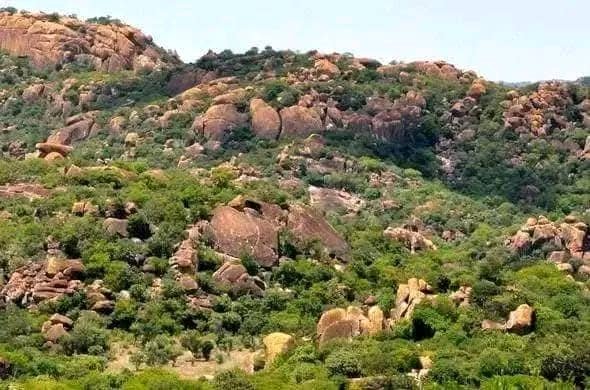
The great zimbabwe hill ruins are located in the hill complex, which sits on a high rocky area. This part of the site was used by rulers and had strong spiritual importance. From here, visitors can enjoy a wide aerial view of the surroundings. The elevated position also provided safety and control over the area.
The valley ruins great zimbabwe are spread across the lower part of the site and show where most people lived. These stone ruins include homes and working spaces, giving a clear picture of everyday life. The valley ruins are important for understanding how the majority of the population functioned in this ancient city.


The most striking feature of the site is its stone buildings, which were made without mortar. Stones were cut and placed carefully to create strong walls that have lasted for centuries. This construction method shows the advanced skills of the builders and their deep understanding of materials and design.
The wall of the great enclosure is one of the most impressive parts of the ruins. This massive circular wall is built with great precision and stands as a symbol of power and authority. The outer wall is both functional and decorative, showing the importance of this area in the past.
The discovery of soapstone birds at the site highlights the cultural and spiritual beliefs of the people. These carvings are believed to represent authority and connection to ancestors. Today, they are an important national symbol and reflect the identity of Zimbabwe.
There are many interesting great zimbabwe ruins facts that make this site unique. It was once home to around 20,000 people and served as a major trade center. The ruins at great Zimbabwe are among the most important historical sites in Africa, attracting both tourists and researchers.
Extensive archaeological research has revealed tools, pottery, and trade goods that provide insight into the lives of the people. These findings help historians understand how the city functioned and why it was so successful during its time.
There are several great zimbabwe ruins activities that visitors can enjoy, including guided tours, walking through the site, and learning about its history. These activities provide both education and enjoyment, making the visit meaningful.
Exploring both the hill complex and the valley areas gives a complete understanding of the site. The hill shows leadership and control, while the valley shows daily life. Together, they create a full story of the past.
The best time to visit the ruins is during the dry season, when the weather is pleasant and suitable for walking. Clear skies also improve visibility and enhance the overall experience.
Pioneer Classflex recommends planning your trip in advance, wearing comfortable shoes, and carrying water. Hiring a guide can also improve your understanding of the site and its history.
Visiting the ruins at great Zimbabwe is more than just a trip. It is a chance to experience history, culture, and architecture in one place. It offers a deep connection to the past and a better understanding of African heritage.
The great zimbabwe ruins entrance fee is reasonable for both local and international tourists. It is always recommended to check the latest prices before visiting, as they may change over time.
The site offers basic facilities such as guides, parking, and visitor centers. These services ensure a comfortable and smooth experience for tourists.
The ruins are safe to explore, and the paths are clearly marked. Visitors of different age groups can walk through the site without difficulty.
The great zimbabwe ruins are more than just ancient stone ruins—they are a powerful symbol of history, culture, and human achievement. From understanding the great zimbabwe ruins history to exploring the great zimbabwe hill ruins and valley ruins great zimbabwe, every part of this site tells a story of how people lived in great zimbabwe and built one of the most important structures in sub saharan africa.
With Pioneer Classflex, your journey becomes simple, comfortable, and informative. Whether you want to learn who built the great zimbabwe ruins, explore key great zimbabwe ruins activities, or plan your visit with the right details like the great zimbabwe ruins entrance fee, we ensure a smooth and memorable experience from start to finish.
The great zimbabwe ruins are located near Masvingo in southern Zimbabwe, about 30 km from the city center, making it the main access point for visitors.
The great zimbabwe ruins history shows the rise of a powerful African kingdom between the 11th and 15th century, known for trade, governance, and advanced stone buildings.
The Shona people built the site as a royal city and trade center, answering the question of who built the great zimbabwe ruins, with purposes including leadership, protection, and economic control.
Experts estimate how old is great zimbabwe ruins to be around 900 years, with construction starting in the 11th century and expanding until the 15th century.
The great zimbabwe ruins map highlights three key areas: the Hill Complex, the Great Enclosure, and the Valley Ruins, each representing different social and functional zones.
The great zimbabwe hill ruins were used by rulers and had spiritual importance, offering a strategic location and a complete aerial view of the surrounding area.
The valley ruins great zimbabwe area includes homes and daily living spaces where most people lived, showcasing real-life examples of ancient stone ruins and community life.
Key great zimbabwe ruins facts include its population of around 20,000 people, its role as a trade hub, and its status as a UNESCO world heritage site.
The great zimbabwe ruins entrance fee varies for locals and international visitors, and it is recommended to check updated pricing before visiting.
Popular great zimbabwe ruins activities include guided tours, walking through the ruins, exploring the hill complex, and learning about cultural history.
The ruins of great zimbabwe are unique due to their dry stone construction, large scale, and representation of advanced structures in sub saharan africa.
The soapstone birds found at the site are believed to represent spiritual authority and are important cultural symbols of Zimbabwe.
It is estimated that around 20,000 people lived in great zimbabwe, making it one of the largest ancient cities in the region.
The wall of the great enclosure is one of the largest ancient stone walls in Africa, representing power, protection, and architectural excellence.
Visiting the ruins at great Zimbabwe with experts like Pioneer Classflex ensures better understanding, guided exploration, and a smooth travel experience.