Book your Zimbabwe elephant hunting safari with Pioneer Classflex. Legal elephant hunts in Zimbabwe, prime concessions, expert professional hunters, and full CITES permit support.
Zimbabwe Elephant Hunting with Pioneer Classflex
Zimbabwe is one of the best places in Africa for zimbabwe elephant hunting. The country has large elephant populations, strong wildlife laws, and experienced professional hunter teams. At Pioneer Classflex, we organize safe, legal, and well-planned elephant hunting safaris for international clients.
Why Choose Zimbabwe for Elephant Hunting
Zimbabwe is known worldwide for dangerous game hunting. The country offers wild and natural hunting concessions where hunters can track mature bulls in real African bush.
Strong Elephant Populations
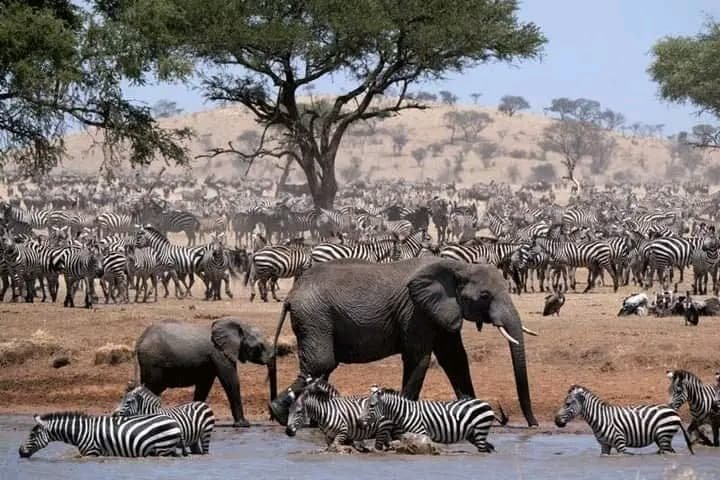
Zimbabwe has one of the largest elephant populations in Africa. Areas near lake kariba and remote safari zones hold thousands of elephant bulls. Because of proper wildlife management, elephant in zimbabwe continue to thrive in many regions. This makes zimbabwe elephant hunts successful and sustainable when done under legal quotas.
Experienced Professional Hunters
A professional hunter is required by law during elephant hunting in zimbabwe. These experts understand elephant behavior, tracking skills, and safety rules. Elephant are dangerous animals, so skilled guidance is very important. At Pioneer Classflex, we work only with licensed and experienced professional hunter teams.
Large Hunting Concessions
Zimbabwe offers vast hunting concessions far from busy cities. These areas are not small fenced farms. They are wild lands where elephant move naturally. This makes the experience more challenging and authentic for trophy hunting.
Flexible Hunting Options
Hunters can choose to hunt mature bulls with heavy ivory or tuskless elephants in specific management areas. Some areas focus on trophy elephant bulls, while others manage population control. Our team helps you select the best area for your hunting safari goals.
Ethical and Regulated Hunting
All elephant hunting safaris operate under government quotas. Zimbabwe follows strict wildlife laws and issues cites permits for legal export of ivory. This ensures your zimbabwe elephant hunt is fully legal and transparent.
Best Areas for Zimbabwe Elephant Hunts
Location plays a big role in a successful elephant hunt in zimbabwe. Different regions offer different experiences.
Lake Kariba Region
Lake kariba is one of the most famous elephant hunting destinations in Africa. The area has high elephant numbers and large mature bulls. The terrain includes hills, thick bush, and open shoreline areas. Tracking elephant bulls here is exciting and demanding.
Hwange Region
Close to Hwange National Park, many private hunting concessions offer quality elephant hunting safaris. These areas benefit from strong wildlife movement from the national park zones. This region is well known for trophy elephant opportunities.
Zambezi Valley
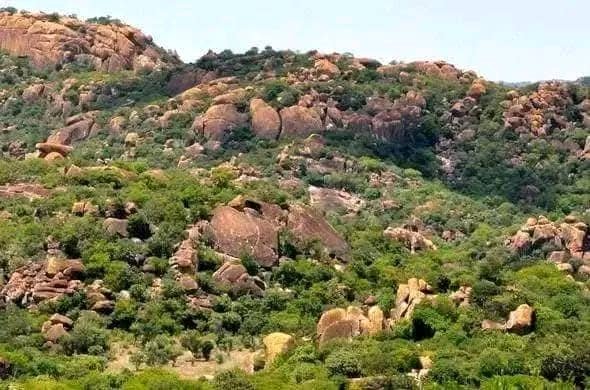
The Zambezi Valley is hot, wild, and full of game. It is one of the top places for dangerous game hunting. Hunters can expect close encounters while tracking elephant in thick bush. This area is perfect for experienced hunters looking for adventure.
Matetsi and Dande Areas
These areas are respected for strong elephant populations and good trophy quality. They are remote and less crowded. Zimbabwe elephant hunts in these regions are often high success due to professional management.
Communal and Safari Areas
Some safari areas focus on tuskless elephants or management bulls. These hunts help balance elephant populations and reduce human-wildlife conflict. Pioneer Classflex will guide you to the best option based on your goals and budget.
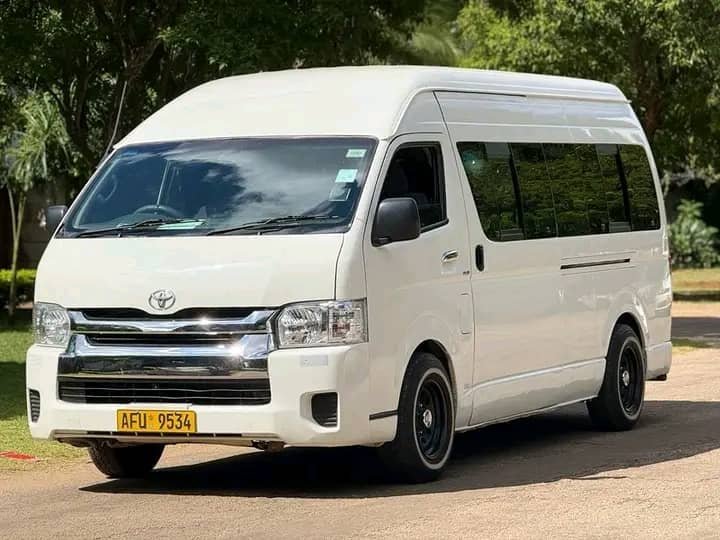
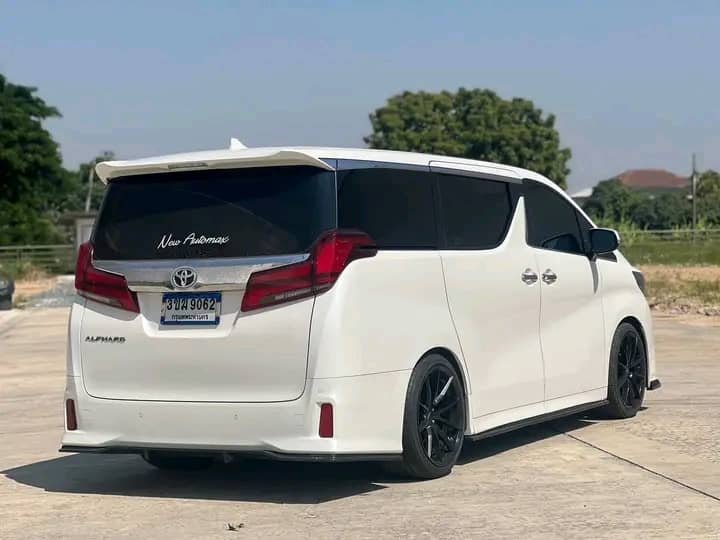
Traveling can be stressful, but your airport transfer doesn’t have to be. We provide a comfortable and hassle-free ride from the airport to your destination...
Traveling within Zimbabwe should be easy, safe, and stress-free. Our reliable pick-and-drop service ensures you get to your destination comfortably. Whether you're heading to a...
This transfer from Victoria Falls to Mana Pools is more than just a ride; it is a journey through Zimbabwe’s stunning landscapes, offering glimpses of...
Travel from Victoria Falls to Kariba in comfort with our private transfer service. This journey takes you through the heart of Zimbabwe, passing beautiful landscapes,...
Travel comfortably from Victoria Falls to Bulawayo with a reliable and safe transfer service. This journey takes you through scenic landscapes, showing you a glimpse...
Traveling from Victoria Falls to Harare has never been easier with our comfortable and convenient transfer service. This journey takes you through some of Zimbabwe’s...
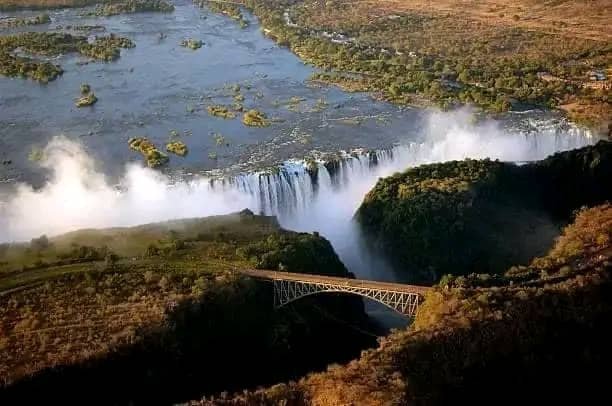
Victoria Falls is one of the most breathtaking destinations in the world. This short yet exciting adventure offers an amazing way to explore the town,...
Embark on an unforgettable wildlife safari where adventure meets convenience. With a fully equipped 4x4 safari vehicle and an expert guide, this tour offers the...
For those who love adventure and independence, this self-drive wildlife safari allows you to explore Zimbabwe’s incredible landscapes and wildlife at your own pace. Using...
Zimbabwe is a land of rich traditions, vibrant culture, and stunning landscapes. This immersive cultural experience is perfect for travelers who want to go beyond...
Planning your elephant hunting in zimbabwe requires understanding the hunting season and paperwork.
Elephant Hunting Season
The main hunting season usually runs from April to November. The dry months are best because elephant gather near water sources. Tracking is easier during dry season as grass is shorter and visibility is better.
CITES Permits and Documentation
For any trophy elephant export, cites permits are required. Zimbabwe wildlife authorities issue proper export documents. Your home country may also require import permits. Our team at Pioneer Classflex assists you through the entire paperwork process.
Trophy Fees and Costs
Trophy fees vary depending on the size of tusks and hunting area. Larger mature bulls with heavy ivory have higher trophy fees. Your total cost includes daily rates, trophy fees, government taxes, and license fees. We provide clear pricing before booking.
Firearms and Legal Compliance
Hunters must follow firearm import rules. Temporary permits are issued for legal rifles. Our team helps arrange airport clearance and local transport to your hunting concession.
Conservation and Quota System
Each hunting area has a limited quota. This ensures elephant populations remain stable. Zimbabwe’s wildlife model uses trophy hunting revenue to support conservation and local communities.
What to Expect During Your Hunting Safari
A zimbabwe elephant hunt is not just shooting. It is tracking, patience, and teamwork.
Tracking Elephant Bulls
You will walk long distances with your professional hunter and trackers. Fresh tracks are followed carefully. Wind direction, terrain, and herd movement are studied before any approach is made.
Close Range Shooting
Elephant hunting is usually done at close range for ethical shot placement. Accuracy is very important. Your professional hunter will guide you step by step for a safe and clean shot.
Camp Life Experience
Safari camps are comfortable but located in wild areas. You can expect good food, skilled staff, and clean accommodation. After long tracking days, camp life allows you to relax and share stories.
Trophy Handling and Preparation
After harvesting a trophy elephant, proper skinning and tusk handling is done. The ivory and other trophy parts are documented and prepared for export under cites permits regulations.
Safety and Teamwork
Elephant are powerful animals. Dangerous game hunting requires discipline and teamwork. Our experienced staff ensures safety at every stage of your elephant hunting safaris.
Why Choose Pioneer Classflex for Your Zimbabwe Elephant Hunt
Clear and honest planning from start to finish. Pioneer Classflex explains all costs in detail, including daily rates, trophy fees, government levies, and other required charges. There are no hidden costs in your zimbabwe elephant hunt package.
Access to well-managed hunting concessions across Zimbabwe. We operate in prime areas near lake kariba, the Zambezi Valley, and other top regions known for strong elephant populations and quality trophy elephant bulls.
Partnership with licensed and experienced professional hunter teams. Every elephant hunt in zimbabwe is guided by experts who understand elephant behavior, tracking methods, and safety rules for dangerous game hunting.
Strong focus on mature bulls and quality trophy elephant opportunities. Our team helps you select the right area based on your expectations for tusk size, hunting conditions, and overall experience.
Full support with cites permits and legal documentation. We assist with export paperwork, trophy handling documents, and coordination with wildlife authorities to ensure your elephant hunting in zimbabwe is fully compliant.
Assistance with firearm permits and airport clearance. We guide you through temporary rifle import procedures to make your arrival smooth and stress free.
Ethical trophy hunting practices. All zimbabwe elephant hunts are conducted under strict government quota systems that protect elephant in zimbabwe and maintain stable elephant populations.
Contribution to conservation and local communities. Revenue from elephant hunting safaris supports anti-poaching programs, community development, and protection of national park buffer zones.
Personalized service before, during, and after your hunting safari. From planning your trip to final trophy shipment, Pioneer Classflex manages every step with professionalism.
Commitment to safety at all times. Dangerous game hunting requires discipline and teamwork, and our team ensures proper planning, clear communication, and expert guidance throughout your zimbabwe elephant hunting experience.
Book Your Zimbabwe Elephant Hunting Safari Today
If you are planning elephant hunting in zimbabwe, Pioneer Classflex is ready to guide you.
We organize legal, well-managed, and ethical elephant hunting safaris in the best areas of the country. Whether you want to hunt mature bulls, elephant bulls with strong ivory, or tuskless elephants, we help you choose the right package.
Contact Pioneer Classflex today to plan your zimbabwe elephant hunt with confidence and professionalism.
FAQs
What is included in a Victoria Falls elephant encounter package?
The best time for zimbabwe elephant hunting is during the dry hunting season from April to November. In dry months, elephant in zimbabwe gather near water sources like lake kariba, which makes tracking easier and more successful.
How much does a zimbabwe elephant hunt cost?
The cost of a zimbabwe elephant hunt depends on the area, number of hunting days, and trophy fees. Mature bulls with heavy ivory have higher trophy fees. Total cost usually includes daily rates, government taxes, and license fees.
Are zimbabwe elephant hunts legal?
Yes, zimbabwe elephant hunts are legal when conducted under government quotas. Zimbabwe wildlife authorities control elephant populations and issue proper permits for elephant hunting in zimbabwe.
What are CITES permits for elephant hunting in zimbabwe?
CITES permits are official export documents required for shipping ivory and other parts of a trophy elephant. These permits ensure your elephant hunt in zimbabwe follows international wildlife laws.
How many days are required for an elephant hunt in zimbabwe?
Most elephant hunting safaris require 10 to 14 hunting days. Dangerous game hunting needs time for tracking mature bulls and waiting for the right shooting opportunity.
Where are the best areas for elephant hunting in zimbabwe?
Top areas include lake kariba, the Zambezi Valley, and hunting concessions near national park regions. These areas are known for strong elephant populations and quality elephant bulls.
Can I hunt tuskless elephants in Zimbabwe?
Yes, tuskless elephants are available in certain management areas. These hunts are part of population control programs and are conducted under legal quotas.
What caliber rifle is recommended for zimbabwe elephant hunting?
For elephant hunting in zimbabwe, large caliber rifles such as .375 H&H or bigger are recommended. Your professional hunter will guide you on legal and suitable firearm choices.
Do I need a professional hunter for elephant hunting in zimbabwe?
Yes, a licensed professional hunter is required by law. Dangerous game hunting like elephant requires expert supervision for safety and proper shot placement.
What is included in elephant hunting safaris?
Elephant hunting safaris usually include accommodation, meals, tracking team, professional hunter services, and field preparation of the trophy elephant. Trophy fees and government charges are charged separately.
How successful are zimbabwe elephant hunts?
Success rates are high in well-managed hunting concessions with experienced professional hunter teams. Tracking skills and patience are important during elephant hunting in zimbabwe.
How are elephant populations managed in Zimbabwe?
Zimbabwe controls elephant populations through quota systems and regulated trophy hunting. Revenue supports conservation, anti-poaching efforts, and protection of national park buffer zones.
Can I export ivory after my elephant hunt in zimbabwe?
Yes, ivory from a legal trophy elephant can be exported with approved cites permits. Import rules depend on your home country’s wildlife regulations.
Is elephant hunting in zimbabwe dangerous?
Yes, elephant are part of dangerous game hunting. They are powerful animals, and close-range tracking requires strict safety measures guided by an experienced professional hunter.
Why choose Pioneer Classflex for zimbabwe elephant hunting?
Pioneer Classflex offers access to prime hunting concessions, experienced professional hunter teams, full cites permits assistance, and transparent trophy fees. We ensure your zimbabwe elephant hunting experience is legal, ethical, and professionally managed from start to finish.