Explore Matobo Hills Zimbabwe. Learn about rock art, cave paintings, major sites, activities, accommodation, and cultural history with Pioneer Classflex.
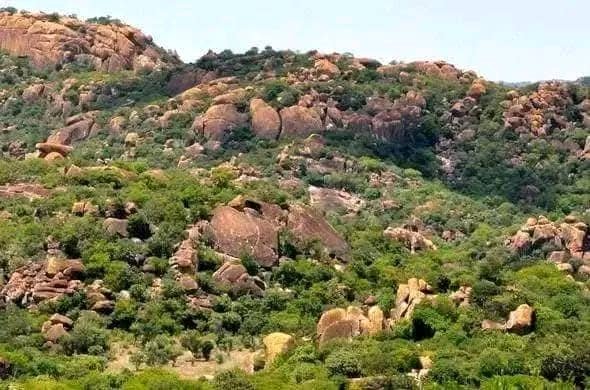
The Matobo Hills Zimbabwe area is one of the most important cultural landscapes in southern Africa. Known for its granite rocks, rich history, ancient traditions, and wildlife, it attracts visitors who want to understand the deep heritage of Zimbabwe. The balancing rocks, caves, and paintings show how people lived here from the Stone Age to the present day. For travellers who want guided cultural visits or organised heritage experiences, Pioneer Classflex often supports visitors with information and planning help. Book your tour today!
Matobo Hills Zimbabwe is a UNESCO World Heritage Site because it connects natural beauty with thousands of years of human history. From early hunter-gatherer communities to later Iron Age groups, many cultures lived in this region and left structures, paintings, and artifacts. The unique granite formations make the site stand out in southern Africa.
The area contains one of the highest concentrations of rock art in Africa. Visitors can see paintings of animals, people, and symbols. These images help archaeologists understand how Stone Age communities lived, hunted, and believed.
The Matobo Hills cultural landscape remains active. Local communities still use parts of the hills for ceremonies and traditions. The Shona people and other groups consider the hills sacred and connected to spirits and ancestors.
Many travellers ask, “Where is Matobo Hills?” or “Where is Matobo Hills located?”
The site is located south of Bulawayo in southwestern Zimbabwe. It is part of the Matopos National Park and stretches across many valleys and granite hills.
The area can be reached by road from Bulawayo in less than an hour. Visitors often choose day trips or guided cultural tours arranged by local operators. Pioneer Classflex can provide guidance for travellers wanting planned cultural visits.


The earliest groups living here were Stone Age hunters. They used caves for shelter and painted many images on the rock surfaces. The Matobo Hills cave paintings show wildlife such as giraffes, zebras, and local antelope.
Later communities in the Iron Age built structures, traded goods, and lived across the valleys. Archaeological research shows evidence of tools, pottery, and early farming.
The area became a spiritual centre over centuries. Chiefs, spirit mediums, and local groups used the hills for ceremonies. Even today, many communities still recognise the place as sacred.
Visitors often ask, “Who built Matobo Hills?”
No one “built” the hills because they are natural granite formations shaped over millions of years. However, early communities built small walls, shelters, and sacred sites within the hills. These groups played a role in shaping the cultural landscape.
The Matobo Hills cave paintings show daily life from thousands of years ago. Visitors can see hunting scenes, dancing figures, animal drawings, and symbols linked to early communities. Well-known sites such as Pomongwe Cave and Bambata Cave have some of the best-preserved matobo hills cave paintings in southern Africa.
The matobo hills rock art helps researchers learn about early diets, beliefs, and survival methods. These images show how hunter-gatherer communities lived, how they hunted, and the spiritual ideas they followed. This art also adds to the understanding of the Stone Age and Iron Age cultures in the region.
The dry weather, shade, and natural rock shelter helped protect the art. Because the caves are deep and cool, many paintings remain clear even after more than 10,000 years. The natural minerals used by early artists also helped preserve the colours.
Pomongwe Cave has clear rock art showing animals, hunters, and early community life. Archaeologists also found Stone Age tools and signs of early settlement. It is one of the most visited cave sites in matobo hills zimbabwe.
Bambata Cave is important for understanding early human history. It contains pottery, bones, and tools from both the Stone Age and Iron Age. The site links rock art with early technology and cultural change.
Matopos National Park is a mix of natural beauty and heritage. Visitors can find unique balancing rocks, sacred cultural sites, and a game park. The park is home to white rhino, zebras, giraffes, and many birds. It is one of the main attractions for travellers exploring matobo hills in zimbabwe.
Many hills provide wide views across the Matobo Hills cultural landscape. The granite domes and “whaleback” rock shapes create natural viewpoints. Some ruins and old settlements also show long-term human presence in the area.
Rock art viewing is one of the most popular matobo hills activities. Guided tours explain the symbols, animal drawings, and rituals shown in the paintings. This helps visitors understand the meaning behind the art.
The hills offer many hiking routes around granite outcrops and smooth rock surfaces. These walks are suitable for visitors who enjoy nature, history, and quiet landscapes.
Inside the park, the game area is known for wildlife such as white rhino, giraffes, zebras, leopards, and smaller mammals. Rangers guide visitors safely through the viewing zones.
Travellers can join cultural tours to learn about traditions, ancestral beliefs, and community stories. Pioneer Classflex can assist in planning cultural experiences and guided visits.
The shapes of the rocks, evening colours, and open valleys make the area perfect for photography. Many visitors come to capture sunset views and close-up details of the rock formations.
Campsites such as Maleme Rest Camp offer basic and natural stays close to caves and walking trails. These are good for travellers who want a simple, outdoor experience.
Several lodges and guesthouses offer comfortable rooms, meals, and guided activities. Some provide views of the valleys, hills, or wildlife areas.
Visitors usually check water supply, food options, and how far the lodge is from major cave sites. Some accommodations include guided walks, cultural tours, or transport to the park gates.
Matobo Hills is located south of Bulawayo in southern Zimbabwe. It lies inside the Matopos National Park, which is managed by Zimbabwe Parks and Wildlife.
It is listed as a World Heritage Site because of its unique rock formations, long history, and one of the highest concentrations of rock paintings in Southern Africa.
The Matobo Hills cave paintings show hunting scenes, animal figures, rituals, and daily life of Stone Age hunter-gatherers. Sites like Pomongwe Cave and Bambata Cave are the most visited.
Most Matobo Hills rock art dates back to the Stone Age, with some paintings more than 10,000 years old. These paintings survived because of the dry climate and protective cave shapes.
No one built Matobo Hills. The rock formations were created naturally over millions of years through erosion and weathering. Early humans only lived in the caves and painted on the walls.
The cultural landscape shows the connection between ancient communities, spiritual beliefs, and natural rock formations. It includes caves, shrines, burial areas, and old living sites.
Pomongwe Cave has clear matobo hills cave paintings, stone tools, and signs of early human life. Visitors can also see images of animals and hunter-gatherer groups.
Bambata Cave is important for matobo hills history because it contains Iron Age and Stone Age remains, old pottery, bones, and rock art that shows how early communities changed over time.
Inside the park, visitors may see white rhino, zebras, giraffes, leopards, and many bird species. The mix of wildlife and rock formations makes the area unique.
Travellers enjoy hiking, viewing rock art, visiting caves, wildlife spotting, cultural tours, and exploring viewpoints with granite domes and whalebacks.
Accommodation includes campsites like Maleme Rest Camp, small lodges, and guesthouses near the park. Many stays offer guided tours of the hilltops and caves.
Travellers check water supply, food options, heating, access roads, and whether guided trips to Pomongwe Cave or Bambata Cave are included.
Most travellers need one full day to see the main rock art sites. Two or three days are ideal for hiking, wildlife viewing, and cultural visits.
Yes, Matobo Hills is safe when using marked paths and guided tours. Some caves require careful walking, especially near steep rock edges.
The dry season (May to October) is the best time. The weather is cooler, visibility is clear, and outdoor activities like hiking and viewing rock art are easier.