Discover Hwange National Park Zimbabwe, the largest national park. Explore wildlife, elephants, safari tours, accommodation, best time to visit, and travel tips with Pioneer Classflex.
Hwange National Park Zimbabwe – Complete Travel Guide by Pioneer Classflex
Hwange National Park Zimbabwe is one of the most famous wildlife destinations in Africa. It is known for its wide open plains, rich wildlife, and unforgettable safari experiences. As the largest national park in Zimbabwe, it attracts visitors from all over the world who want to see animals in their natural home.
At Pioneer Classflex, we help travelers explore Hwange National Park Zimbabwe with well-planned tours, comfortable stays, and guided safari experiences.
Where Is Hwange National Park Zimbabwe Located?
Understanding where is hwange national park located helps travelers plan their journey better. The park is easy to access and well connected to major tourist destinations.
Geographic Location in Zimbabwe
Hwange National Park Zimbabwe is located in the northwest part of the country. It lies close to the border with Botswana and is part of the Matabeleland North Province. The park is surrounded by open savannah and forest land.
Distance from Victoria Falls to Hwange National Park
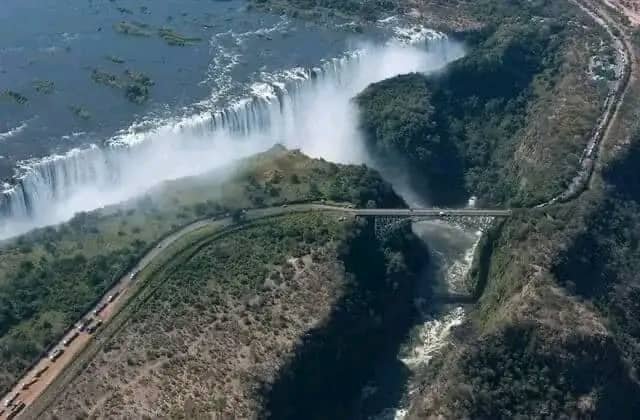
The distance from victoria falls to hwange national park is about 180 kilometers by road. The drive usually takes around 2.5 to 3 hours. Many travelers combine victoria falls and Hwange National Park safari in one trip.
Hwange National Park Map and Size
A hwange national park map shows that the park covers more than 14,600 square kilometers. If you ask how big is hwange national park, the answer is that it is larger than some countries. This large size allows wildlife to move freely.
Flights to Hwange National Park
There are limited flights to hwange national park, mainly to Hwange National Park Airport. Most international visitors fly to Victoria Falls first and then travel by road. Pioneer Classflex can assist with transfers.
History and Facts About Hwange National Park
The past of the park adds strong value to the safari experience. Learning the history of hwange national park helps visitors understand why this protected area is so important for Zimbabwe and for wildlife conservation in Africa.
History of Hwange National Park
Hwange National Park was officially established in 1928. At that time, it was known as the Wankie Game Reserve. The main purpose of creating the reserve was to protect wildlife from uncontrolled hunting and human expansion. Over time, the park was renamed Hwange National Park Zimbabwe, using the local name of the area. Today, it stands as a symbol of long-term conservation efforts in the country.
Facts About Hwange National Park
There are many interesting facts about hwange national park that make it unique. It is the largest national park in Zimbabwe and one of the largest in Africa. The park does not have many natural rivers, so it relies on artificial water pans. These water pans play a very important role, especially during the dry season, by helping animals survive when water is scarce.
Hwangenational Park and Conservation
Hwangenational park plays a major role in wildlife protection and conservation. Park authorities and conservation teams work daily to protect animals from poaching and illegal activities. Special focus is given to elephants, lions, and wild dogs. Conservation programs also support local communities and promote responsible tourism.
Hwange National Park Reviews
Many visitors leave positive hwange national park reviews after their trips. Travelers often mention the peaceful environment, large wildlife populations, and well-organized safari experiences. Reviews also praise knowledgeable guides and the natural, uncrowded feel of the park compared to other safari destinations.
Traveling can be stressful, but your airport transfer doesn’t have to be. We provide a comfortable and hassle-free ride from the airport to your destination...
Traveling within Zimbabwe should be easy, safe, and stress-free. Our reliable pick-and-drop service ensures you get to your destination comfortably. Whether you're heading to a...
Traveling from Victoria Falls to Harare has never been easier with our comfortable and convenient transfer service. This journey takes you through some of Zimbabwe’s...
Harare, the vibrant capital of Zimbabwe, is a city rich in culture, history, and natural beauty. This unique tour combines an urban exploration of Harare’s...
Animals and Wildlife in Hwange National Park Zimbabwe
The park is famous for its wide variety of species. Hwange national park wildlife is one of the main reasons people travel long distances to visit this destination.
Animals in Hwange National Park
There are more than 100 different mammal species living in the park. Common animals in hwange national park include elephants, giraffes, zebras, buffalo, antelope, and wild dogs. Because the park is so large, animals live freely without feeling disturbed.
Hwange National Park Elephants
Hwange National Park elephants are known across Africa. The park has the largest elephant population on the continent. During the dry season, huge herds gather around waterholes, offering unforgettable wildlife viewing and photography opportunities.
Hwange National Park Lions
Hwange National Park lions are one of the top attractions for safari lovers. Lions are often seen resting under trees during the day and becoming active during early morning or evening hours. Game drive experiences offer good chances to see lions in their natural hunting areas.
Birds and Other Species
In addition to mammals, Hwange National Park is home to over 400 bird species. This makes it a great destination for bird watchers. Reptiles and smaller animals also add to the rich biodiversity of the park.
Hwange National Park Safari Experience
A hwange national park safari is not just about spotting animals. It is about enjoying nature, silence, and wide open landscapes.
Game Drive in Hwange National Park
A guided game drive is the most popular activity in the park. These drives usually take place early in the morning or late in the afternoon. During these times, animals are more active, and the temperatures are comfortable.
Hwange National Park Tours
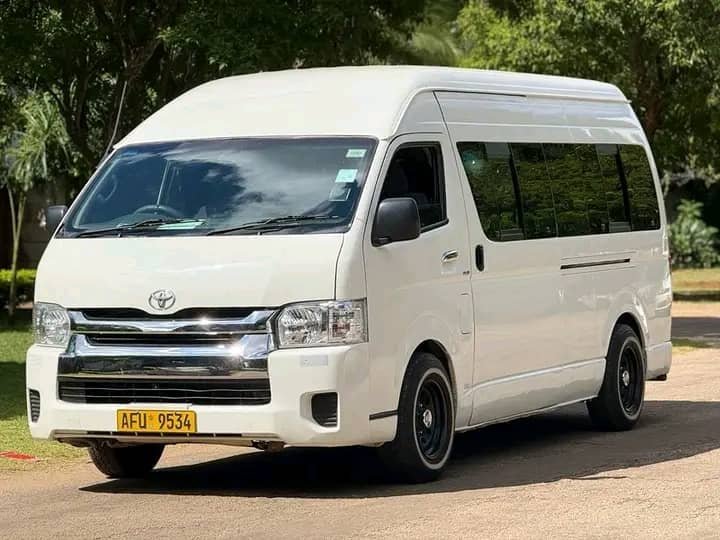
Professional hwange national park tours organized by Pioneer Classflex include trained guides, well-maintained safari vehicles, and carefully planned routes. These tours increase the chances of wildlife sightings while ensuring safety and comfort.
Camp Hwange Hwange National Park
Staying at camp hwange hwange national park allows visitors to feel close to nature. These camps are designed to blend with the environment. Guests can often hear animals at night, creating a true safari atmosphere.
Things to Do in Hwange National Park
There are many things to do in hwange national park besides game drives. Visitors can enjoy guided walking safaris, bird watching, wildlife photography, and cultural interactions with nearby communities.
Hwange National Park Accommodation Options
Choosing the right place to stay is important for a comfortable safari. There are many hwange national park accommodation options to suit different travel styles.
Hwange National Park Lodges
Several luxury and mid-range hwange national park lodges are located inside and near the park. These lodges usually offer meals, guided activities, and viewing decks overlooking waterholes or open plains.
Hwange National Park Camping Sites
For adventure seekers, hwange national park camping sites provide a more natural experience. These sites allow visitors to stay close to wildlife while following strict safety rules set by park authorities.
Hwange National Park Accommodation Prices
Hwange national park accommodation prices depend on the season, location, and level of comfort. Budget-friendly camps, mid-range lodges, and luxury stays are all available, making the park suitable for different budgets.
Family and Group Accommodation
Pioneer Classflex helps families and groups find accommodation that matches their needs. Whether traveling with children or in large groups, suitable and safe options are arranged.
Best Time and Weather to Visit Hwange National Park
Weather plays an important role in safari planning. Knowing the best time to visit hwange national park helps travelers get the best experience.
Best Time to Visit Hwange National Park
The best time to visit hwange national park is during the dry season, from May to October. During this period, animals gather near water sources, making wildlife sightings easier and more frequent.
Hwange National Park Weather
Hwange national park weather is mostly warm throughout the year. Summers can be very hot, while winter nights can be cool. Daytime temperatures during winter are pleasant for safaris.
Dry Season Safari Benefits
The dry season offers clear visibility because vegetation is thin. This makes it easier to spot animals during a game drive, especially near water pans.
Rainy Season Experience
The rainy season brings green landscapes and beautiful scenery. While animal sightings may be slightly harder, the park is quieter, and birdlife is very active.
Why Choose Pioneer Classflex for Hwange National Park Tours
Local Zimbabwe-based tours and travel company with strong knowledge of Hwange National Park Zimbabwe
Experienced safari guides who understand hwange national park wildlife and animal movement patterns
Customized hwange national park tours based on budget, travel dates, and personal interests
Reliable planning for accommodation, transport, and game drive schedules
Strong focus on safety, comfort, and responsible tourism practices
Assistance with hwange national park accommodation, lodges, and camping sites
Honest guidance on the best time to visit hwange national park and weather conditions
Smooth travel support from victoria falls to the park, including distance planning and transfers
Transparent pricing with clear details on inclusions and exclusions
Commitment to protecting nature and supporting local communities around Hwangenational park
Discover the Wild Heart of Hwange National Park Zimbabwe
Hwange National Park Zimbabwe offers an authentic safari experience with rich wildlife, wide open landscapes, and strong conservation value. As the largest national park in the country, it is famous for Hwange National Park elephants, lions, and diverse animals in Hwange National Park, especially during the dry season when wildlife gathers near water pans. With easy access from Victoria Falls, varied Hwange National Park accommodation options, and well-organized Hwange National Park tours, it is an ideal destination for nature and safari lovers.
Pioneer Classflex ensures a smooth and responsible journey, helping you explore Hwange National Park Zimbabwe with expert planning, local knowledge, and a true connection to the wild.
FAQs
Where is Hwange National Park Zimbabwe located exactly?
Hwange national park located in the northwest of Zimbabwe, near the Botswana border. It is part of Matabeleland North Province and is easily reached from Victoria Falls.
How far is the distance from Victoria Falls to Hwange National Park?
The distance from victoria falls to hwange national park is approximately 180 kilometers. The road journey usually takes 2.5 to 3 hours depending on road conditions.
How big is Hwange National Park compared to other parks?
If you ask how big is hwange national park, it covers about 14,600 square kilometers. It is the largest national park in Zimbabwe and one of the largest in Africa.
What animals can I see in Hwange National Park?
Common animals in hwange national park include elephants, lions, giraffes, zebras, buffalo, antelope, and wild dogs. The park is known for its large and diverse wildlife population.
Why are Hwange National Park elephants so famous?
Hwange national park elephants form the largest elephant population in Africa. Large herds are often seen at water pans, especially during the dry season.
Are Hwange National Park lions easy to spot on safari?
Yes, hwange national park lions are regularly seen during early morning and evening game drive sessions. The open landscape increases visibility during safaris.
What is special about Hwange National Park wildlife?
Hwange national park wildlife benefits from wide open spaces and limited crowding. Animals move freely across the park, creating natural and authentic safari sightings.
What is included in a Hwange National Park safari?
A hwange national park safari usually includes guided game drives, wildlife viewing, and nature experiences. Some safaris also include walking tours and bird watching.
What are the best things to do in Hwange National Park?
Popular things to do in hwange national park include game drives, guided walks, bird watching, photography, and staying near waterholes to observe animals.
What types of Hwange National Park accommodation are available?
There are many hwange national park accommodation options, including lodges, safari camps, and camping sites. Options are available for budget, mid-range, and luxury travelers.
Are there good Hwange National Park lodges inside the park?
Yes, several hwange national park lodges are located inside or near the park. These lodges offer guided safaris, meals, and views of wildlife areas.
What are the Hwange National Park accommodation prices like?
Hwange national park accommodation prices depend on season and comfort level. Prices are usually higher during the dry season and lower during the green season.
Are there official Hwange National Park camping sites?
Yes, there are designated hwange national park camping sites managed by park authorities. Campers must follow safety rules and park guidelines.
What is Camp Hwange Hwange National Park known for?
Camp hwange hwange national park is known for eco-friendly stays and close wildlife encounters. It offers a quiet and natural safari experience.
What is the best time to visit Hwange National Park for wildlife viewing?
The best time to visit hwange national park is during the dry season from May to October. Animals gather around water sources, making sightings easier.
What is the Hwange National Park weather like throughout the year?
Hwange national park weather is hot in summer and mild in winter. Winter nights can be cool, while daytime temperatures remain comfortable for safaris.
How much are Hwange National Park entrance fees?
Hwange national park entrance fees vary by nationality and length of stay. Fees are paid at official park gates and support conservation efforts.
Is Hwange National Park hunting allowed?
Hwange national park hunting is strictly regulated. Only specific areas allow controlled hunting, while most of the park is protected for wildlife conservation.
Are there flights to Hwange National Park?
Limited flights to hwange national park are available to Hwange National Park Airport. Most visitors fly to Victoria Falls and travel by road.
Are Hwange National Park tours suitable for families?
Yes, guided hwange national park tours can be customized for families. Pioneer Classflex arranges safe routes, suitable accommodation, and child-friendly schedules.