Explore the Great Zimbabwe Hill Complex, its dry stone walls, royal history, and archaeological importance. Learn about the hill complex and nearby ruins.
Great Zimbabwe Hill Complex: A Look at Its History and Importance
The great zimbabwe hill complex is one of the most famous ancient structures in southern Africa. It is part of the larger archaeological site of Great Zimbabwe, which includes the great enclosure, valley ruins, and many dry stone buildings. This hilltop section is known for its history, architecture, and its role in the life of the Shona people. Today, visitors and researchers explore the hill to understand how people lived, traded, and built a major African city between the 11th and 15th century. The hill complex Great Zimbabwe remains an important symbol of culture, power, and skilled building traditions in Saharan Africa and beyond. Book your adventure today!
Understanding the Hill Complex of Great Zimbabwe
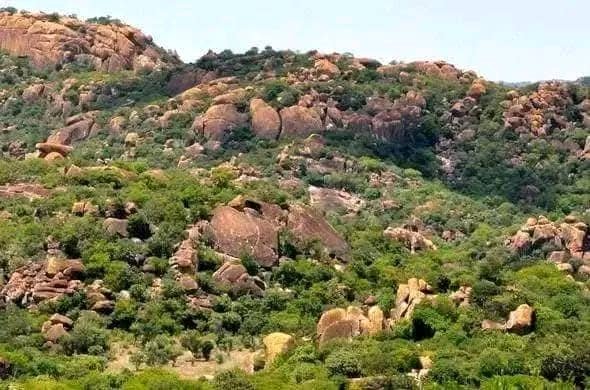
The hill complex of Great Zimbabwe is the oldest part of the entire settlement. It sits on natural rock formations high above the surrounding land. From here, rulers could get a clear aerial view of the land, people, and movement below. Many experts believe that the hill was a royal residence, a place used by leaders for decision-making, protection, and rituals.
Location and Layout
The hill stands on a granite outcrop, surrounded by large boulders and natural slopes. Builders shaped the area with dry stone walls without using mortar. These walls connect with natural rocks, creating a strong protective system. The outer wall runs along the edges, forming rooms, passages, and lookout points.
Stonework and Construction Style
The construction technique is one of the most important features of the hill complex Great Zimbabwe. The stones are carefully placed in clean lines. Even after many centuries, the stones remain strong. This craftsmanship proves the advanced building skills of the Shona people long before the 20th century.
Purpose and Daily Use
The hill likely served as a centre for leadership. Many findings show signs of gatherings, storage areas, and places for cooking or rituals. Archaeologists also discovered remains linked to trade and religion, showing how active the area was during the 13th to 15th centuries.
Historical Importance of the Hill Complex
The hill complex Great Zimbabwe is not only a building but a symbol of political and economic strength. It played a major role in shaping life in the region.
A Royal Centre
The top position and heavy stone walls suggest that rulers lived or worked here. The hill offered safety and a wide view, making it an ideal place for a leader’s base.
Connection With Trade
The trading networks of Great Zimbabwe stretched across Africa and the Indian Ocean. Gold, beads, ivory, and iron moved through these routes. Items found inside the hill complex Great Zimbabwe show evidence of this long-distance exchange.
Cultural and Spiritual Importance
The site includes areas believed to be sacred. The famous soapstone bird, often linked with Great Zimbabwe and the Shona identity, was discovered near the hill area. This shows how the hill was not only a political centre but also a key cultural space.
Traveling can be stressful, but your airport transfer doesn’t have to be. We provide a comfortable and hassle-free ride from the airport to your destination...
Traveling within Zimbabwe should be easy, safe, and stress-free. Our reliable pick-and-drop service ensures you get to your destination comfortably. Whether you're heading to a...
This transfer from Victoria Falls to Mana Pools is more than just a ride; it is a journey through Zimbabwe’s stunning landscapes, offering glimpses of...
Travel from Victoria Falls to Kariba in comfort with our private transfer service. This journey takes you through the heart of Zimbabwe, passing beautiful landscapes,...
Travel comfortably from Victoria Falls to Bulawayo with a reliable and safe transfer service. This journey takes you through scenic landscapes, showing you a glimpse...
Traveling from Victoria Falls to Harare has never been easier with our comfortable and convenient transfer service. This journey takes you through some of Zimbabwe’s...
Victoria Falls is one of the most breathtaking destinations in the world. This short yet exciting adventure offers an amazing way to explore the town,...
Embark on an unforgettable wildlife safari where adventure meets convenience. With a fully equipped 4x4 safari vehicle and an expert guide, this tour offers the...
For those who love adventure and independence, this self-drive wildlife safari allows you to explore Zimbabwe’s incredible landscapes and wildlife at your own pace. Using...
Zimbabwe is a land of rich traditions, vibrant culture, and stunning landscapes. This immersive cultural experience is perfect for travelers who want to go beyond...
Today, the great zimbabwe hill ruins attract visitors, researchers, and history lovers. The ruins help people learn about the early African city that once controlled land and trade routes across southern Africa.
What Visitors See
When people climb the hill, they see stone passages, narrow walkways, open rock platforms, and carved spaces. The views from the top show the valley ruins below and the famous conical tower inside the great enclosure.
Archaeological Research
For many decades, scholars have studied the archaeological site to understand how people built the walls, how society worked, and how trade shaped the region. This research continues today, with new tools like digital mapping and 3D models.
Aerial View Advantages
From above, the layout becomes clear. The mixture of natural rock and human-built structures shows a smart design. The aerial perspective also helps researchers compare the hill complex with other structures across Africa.
How the Hill Complex Connects With Other Parts of Great Zimbabwe
The Great Enclosure
The great enclosure is the largest free-standing ancient structure in Saharan Africa. Though separate from the hill complex, it shares similar building techniques. The famous conical tower stands inside it and is believed to represent power or storage.
The Valley Ruins
The valley ruins at the foot of the hill show everyday life. Homes, workshops, and trading spaces filled the valley. Together, the hill complex, enclosure, and valley form one unified African city from the past.
The Hills in Zimbabwe
The area around Great Zimbabwe includes several hills in Zimbabwe, but none has the historic weight of the hill complex here. The combination of natural rock shapes and man-made walls makes it one of the most unique places in the region.
Why Choose Pioneer Classflex for Your Great Zimbabwe Experience
Deep knowledge of the great zimbabwe hill complex and surrounding archaeological sites.
Guided tours designed with simple explanations for easy understanding.
Small group and private options for a relaxed, personalised experience.
Support from trained guides familiar with the hill complex Great Zimbabwe layout and history.
Routes planned to cover key areas such as the great enclosure, valley ruins, and major viewpoints.
Safety-focused walking paths, especially around narrow passages and steep rock edges.
Clear tour timings that match visitor comfort, weather, and hill access.
Help with cultural insights about the Shona people and historical findings.
Smooth coordination for add-ons like village visits or museum stops.
Reliable service for travellers exploring hills in Zimbabwe and major heritage sites.
Why the Great Zimbabwe Hill Complex Still Matters Today
The hill complex helps people understand early African leadership, technology, and art. It shows that societies in southern Africa created strong stone cities long before outside influences. Its dry stone walls, carved soapstone birds, and wide views make it a key example of African heritage.
FAQs
What makes the great zimbabwe hill complex different from the great enclosure?
The hill complex sits on a high granite outcrop and acted as a royal residence, while the great enclosure is a larger ground-level structure linked to ceremonies and power symbols.
How old is the hill complex of Great Zimbabwe?
The hill complex of Great Zimbabwe developed between the 11th and 15th centuries, making it one of the earliest major hilltop structures in southern Africa.
Why did the Shona people build dry stone walls at the hill complex?
They used dry stone walls for strength and flexibility. This method allowed the walls to stand naturally with the rocks and survive for centuries.
What can visitors see at the great zimbabwe hill ruins today?
Visitors see ancient passages, lookout points, stone rooms, and wide aerial views of the valley ruins and great enclosure.
Was the hill complex Great Zimbabwe used for trade?
Yes. Items found there show connections to long-distance trading networks, including gold, beads, and imported goods.
Is the soapstone bird linked to the hill complex?
Yes. Several soapstone bird carvings were found near the hill area, showing spiritual and cultural meaning for the Shona people.
What role did the hill complex play in the African city of Great Zimbabwe?
It served as a political and spiritual centre while the valley ruins handled daily living and trade.
Are the hills in Zimbabwe similar to this hill complex?
Most hills in Zimbabwe are natural formations, but this hill complex is special because it mixes natural rock with advanced stone walls.
How does archaeological research help us understand the hill complex?
Research reveals building methods, trade connections, and social structures. Modern studies use aerial mapping and digital models.
Can visitors access the hill complex safely?
Yes. Guided paths allow safe travel across the rocks and walls while protecting the archaeological site.
What is the outer wall at the hill complex for?
The outer wall protected important areas and created private spaces for leaders.
Are the great zimbabwe hill ruins connected to the 20th century?
The ruins are much older, but the 20th-century research helped correct earlier false theories about their origin.
Did the hill complex have a royal residence?
Yes. Many signs show that rulers used the hill as a royal and administrative centre.
Why is the hill complex important for Zimbabwe today?
It stands as a national symbol of culture, history, and the skilled work of the Shona people.