Discover facts about Victoria Falls in Zimbabwe, including history, fun facts, wildlife, geography, and travel tips from Pioneer Classflex.
Victoria Falls is one of the most famous natural wonders in the world. Located on the Zambezi River, it forms the border between Zimbabwe and Zambia. For travelers, learning facts about Victoria Falls in Zimbabwe makes the visit more meaningful. At Pioneer Classflex, we help you explore this spectacular destination safely and enjoyably.
In this guide, you will find detailed victoria falls facts, fun facts about Victoria Falls, interesting facts about Victoria Falls, 10 facts about Victoria Falls, and Victoria Falls facts for kids.
Victoria Falls sits on the Zambezi River, one of Africa’s longest rivers. On the Zimbabwean side, the falls are protected by Victoria Falls National Park, while on the Zambian side, they are part of Mosi-oa-Tunya National Park. The river flows through a series of gorges, including the famous Songwe Gorge, before continuing its journey.
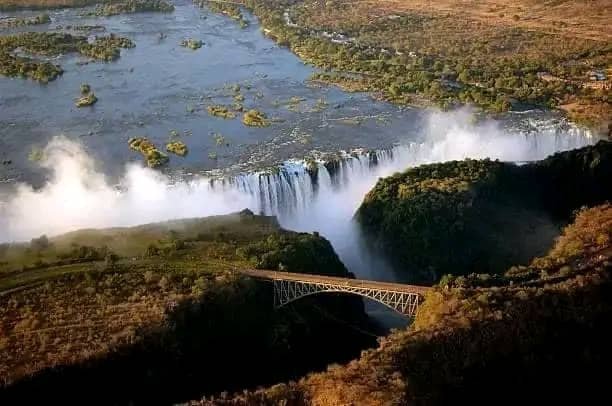
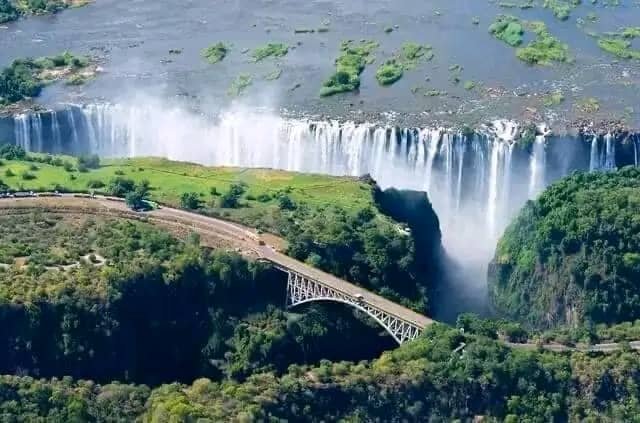
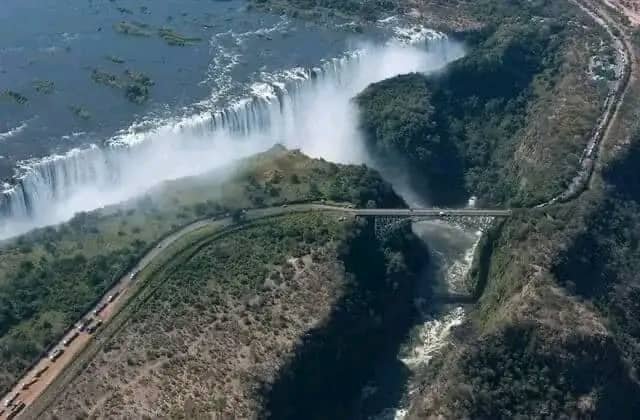
The waterfall is about 1.7 kilometers wide, and water drops more than 100 meters into the gorge. This makes it the largest sheet of falling water in the world. Its power is visible from miles away, and the mist rising from the waterfall is called the “Smoke That Thunders.”
The Scottish explorer David Livingstone was the first European to see the falls in 1855. He named them in honor of Queen Victoria. Locally, the falls were already known as Mosi-oa-Tunya, meaning “Smoke That Thunders.” This name perfectly describes the loud sound and mist that rise from the crashing water.
Victoria Falls was formed over millions of years. The Zambezi River slowly carved its path through basalt rock, creating the series of gorges we see today. The process of erosion continues, shaping the landscape each year.
Stone Age tools and artifacts have been discovered nearby, showing that humans have lived in this region for thousands of years. Today, the area around the falls is protected as a World Heritage Site, recognized for its natural beauty and geological importance.
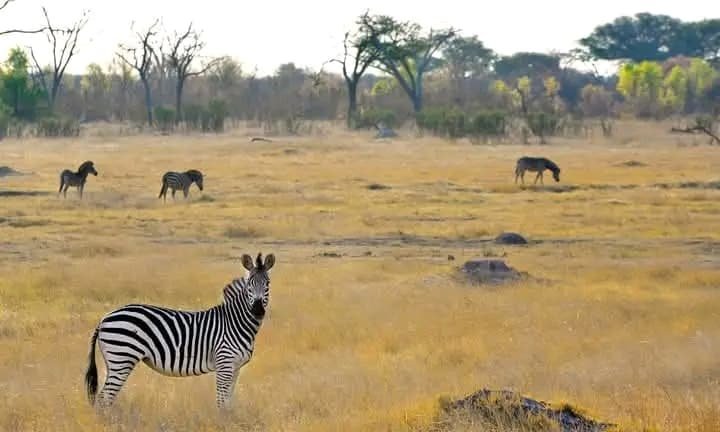
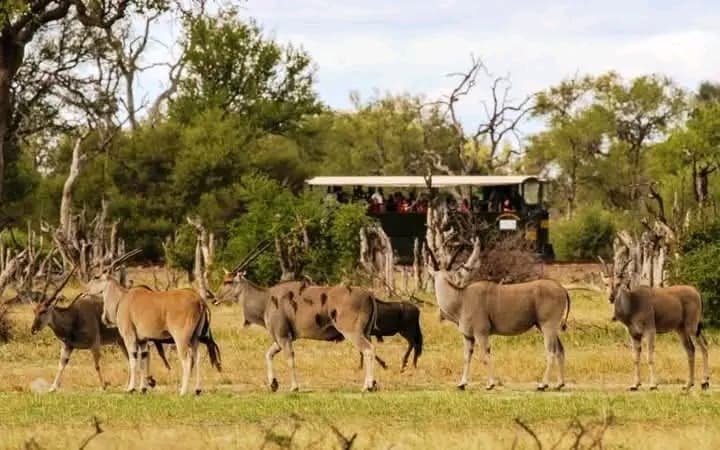
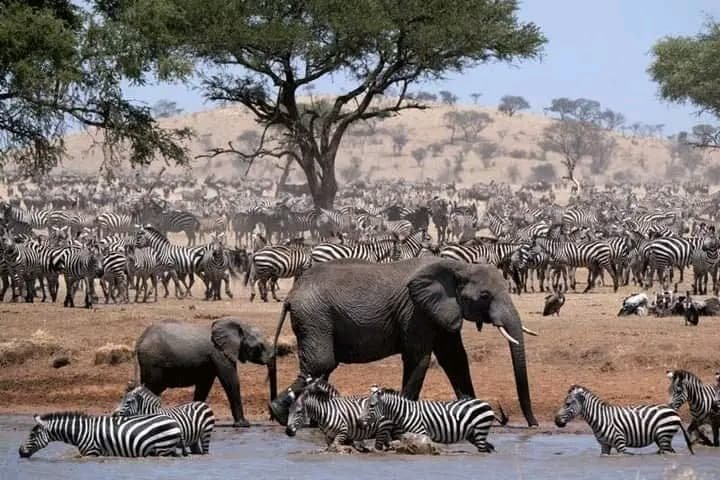
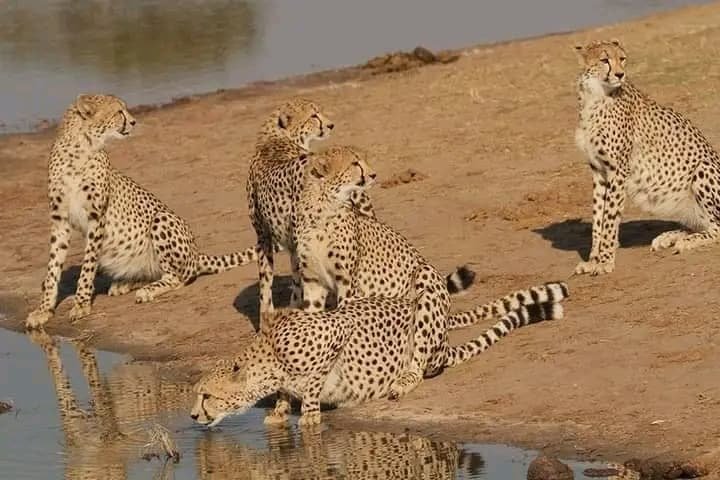
Both sides of the falls are surrounded by national parks that protect wildlife. On the Zimbabwean side, visitors may see elephants, buffalo, and antelope roaming near the park. The Zambian side has similar wildlife and offers closer views of the waterfall.
The constant mist has created a unique rainforest near the falls, which is home to rare plants and birds. This combination of water, wildlife, and greenery makes Victoria Falls a truly unique travel destination.

Here are some essential victoria falls facts that every traveler should know.
Victoria Falls is not the tallest or widest waterfall individually, but it is the largest waterfall when height and width are combined. During the rainy season, the Zambezi River flows at maximum capacity, creating an enormous curtain of water.
The sound of water hitting the gorge is so loud that it can be heard from several kilometers away. The mist rises hundreds of meters into the air, creating a constant cloud known as Mosi-oa-Tunya. This mist even nourishes a small rainforest near the falls.
The historic Victoria Falls Bridge connects Zimbabwe and Zambia. Built in 1905, it is famous for sightseeing and adventure sports like bungee jumping. From the bridge, travelers can enjoy panoramic views of the falls and the surrounding gorges.
Over millions of years, the Zambezi River has cut several deep gorges, including Songwe Gorge. These gorges show how the river’s flow continues to shape the landscape. Visitors can see the dramatic cliffs and carved rocks along walking trails.
The mist from the waterfall creates a microclimate that supports a rainforest. This area stays green all year round and hosts a variety of birds, insects, and plants. Walking through this rainforest is like entering a hidden world of natural beauty.


Here are 10 facts about Victoria Falls for anyone curious about this natural wonder:
The hard basalt rock over which the water flows was formed from volcanic activity millions of years ago. The river carved its path through this rock over time.
During a full moon, visitors can sometimes see a moonbow, a rainbow created by moonlight rather than sunlight. This rare phenomenon adds extra magic to the falls.
Stone Age artifacts have been found near the falls, showing that humans have lived in this area for thousands of years.
The waterfall continues to change shape because of natural erosion. Even today, the falls slowly move upstream, reshaping gorges.
The Zimbabwean side offers wide panoramic views, while the Zambian side provides closer access to the water. Each side offers a unique experience.
The falls look very different in rainy and dry seasons. High water creates a massive sheet of falling water, while low water exposes the rock formations and gorges.
The surrounding national parks are home to elephants, buffalo, and many bird species. Travelers often see wildlife during their visit.
Victoria Falls is a hotspot for adventure tourism. Activities include bungee jumping, helicopter rides, white-water rafting, and walking tours along the gorges.
It is one of Africa’s top tourist destinations, attracting thousands of visitors every year. The falls provide economic and cultural benefits to Zimbabwe and Zambia.
Local communities consider the falls spiritually important. Ceremonies and legends connect the waterfall to the land and its people.
Victoria Falls is a world heritage site filled with history, power, and beauty. From fun facts about Victoria Falls to Victoria Falls facts for kids, there is something for everyone.
Explore the Smoke That Thunders, walk along the gorges, and witness the mighty Zambezi River in all its glory. Pioneer Classflex ensures you experience Victoria Falls safely while learning the most fascinating facts about Victoria Falls in Zimbabwe.
The most important facts about Victoria Falls in Zimbabwe include its location on the Zambezi River, its width of about 1.7 kilometers, and its height of over 100 meters. It is the largest sheet of falling water in the world and is recognized as a UNESCO World Heritage Site shared by Zambia and Zimbabwe.
Victoria Falls is locally known as Mosi-oa-Tunya, meaning “Smoke That Thunders.” The name comes from the loud sound of the water crashing into the gorge and the mist that rises high into the sky, looking like smoke.
David Livingstone was the first European to see the falls in 1855. He named them after Queen Victoria of the United Kingdom, although local communities had known about the falls for centuries.
Victoria Falls is located between Zambia and Zimbabwe. The Zimbabwean side offers wider panoramic views, while the Zambian side provides closer access to certain parts of the waterfall.
If you are searching for 10 facts about Victoria Falls, key points include its volcanic rock formation, seasonal water changes, moonbows during a full moon, Stone Age history, Victoria Falls Bridge, multiple gorges like Songwe Gorge, surrounding national parks, wildlife presence, and its World Heritage Site status.
Victoria Falls is considered one of the Seven Natural Wonders because of its massive width, powerful water flow, dramatic gorges, and unique rainforest ecosystem created by constant mist.
Victoria Falls was formed over millions of years as the Zambezi River carved through layers of basalt rock. The river flowing over cracks in the rock created deep gorges, including Songwe Gorge.
Some fun facts about Victoria Falls include the appearance of a moonbow during a full moon, mist that can be seen from miles away, and the fact that the waterfall can sometimes be visible from space due to the massive spray cloud.
Victoria Falls facts for kids include its local name Mosi-oa-Tunya, its location between Zambia and Zimbabwe, its width of 1.7 kilometers, the Zambezi River behind it, and the wildlife living in nearby national parks.
The Zimbabwean side offers broader and more complete views of the sheet of falling water inside Victoria Falls National Park. The Zambian side, within Mosi-oa-Tunya National Park, allows visitors to get closer to certain sections of the waterfall.
Victoria Falls is a World Heritage Site because of its exceptional natural beauty, geological importance, and ecological value. It is protected to preserve its environment and wildlife.
The Victoria Falls Bridge, built in 1905, connects Zambia and Zimbabwe. It is famous for offering panoramic views of the falls and for adventure activities like bungee jumping.
During the rainy season, the Zambezi River creates a massive curtain of water, producing heavy mist. In the dry season, water levels drop, revealing rock formations and different sides of the falls.
Yes, Stone Age tools and artifacts have been discovered in the area, showing that humans lived near the falls thousands of years ago.
Exploring Victoria Falls with a trusted local operator like Pioneer Classflex ensures safe access to key viewpoints, guided experiences inside Victoria Falls National Park, expert knowledge about interesting facts about Victoria Falls, and a smooth travel experience on the Zimbabwean side.